Tour Overview
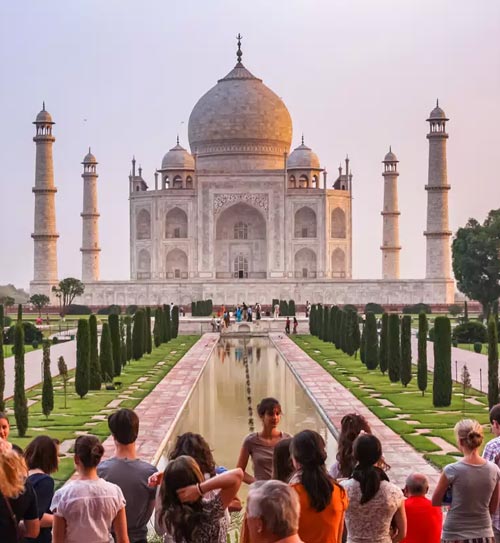
This Golden Triangle Tour with Tirupati and Puttaparthi covers two distinct faces of India: the classic tourist circuit of Delhi–Jaipur–Agra and the sacred temple towns of South India. You start in Delhi, where imperial boulevards and Mughal-era bazaars showcase centuries of power and culture. From there, you drive to Jaipur, the “Pink City,” famous for Hawa Mahal, Amber Fort, and colorful markets, then continue to Agra to see the Taj Mahal and Agra Fort—two of the most celebrated monuments in the world.
Midway, the itinerary pivots from royal history to spiritual discovery as you fly to Chennai, gateway to South India. You visit Kapaleeshwarar and St. Thomas Church before heading to Tirupati, one of the busiest pilgrimage centers on earth, where millions line up for a glimpse of Lord Venkateswara. Next, you drive to Puttaparthi, home of Sathya Sai Baba’s ashram, and finish in Bangalore, a modern IT hub that still preserves serene spots like Lal Bagh and the Bull Temple.
Private air‑conditioned vehicles, pre‑booked darshan times where possible, and carefully chosen hotels help you avoid logistical stress. The route is optimized to reduce backtracking, and internal flights link North and South efficiently. Throughout, you enjoy a mix of guided tours and free time to pray, shop, or rest according to your own pace. This blend of heritage sightseeing and pilgrimage gives the tour a unique identity you rarely find in standard Golden Triangle packages.
Tour Highlights
Taj Mahal, Agra Fort, and Fatehpur Sikri in one compact Golden Triangle leg, showcasing the best of Mughal architecture.
Forts, palaces, and observatory in Jaipur, including Amber Fort elephant/jeep ride and Jantar Mantar’s giant instruments.
Old and New Delhi highlights: Red Fort, Jama Masjid, Raj Ghat, Qutub Minar, India Gate, Lotus Temple, and Akshardham.
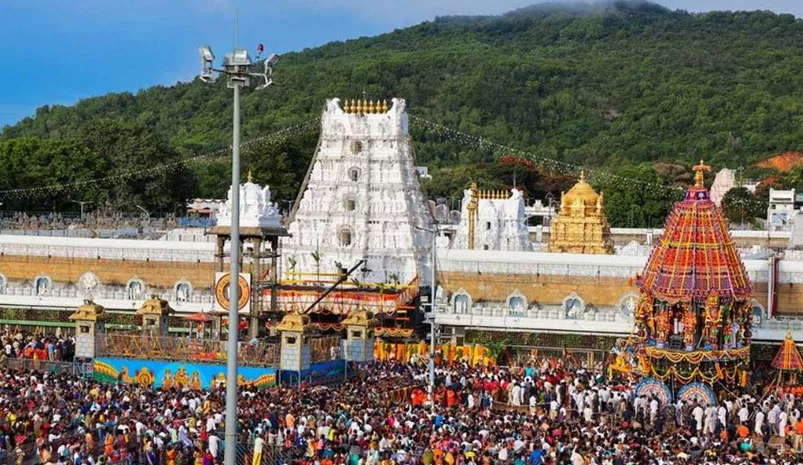
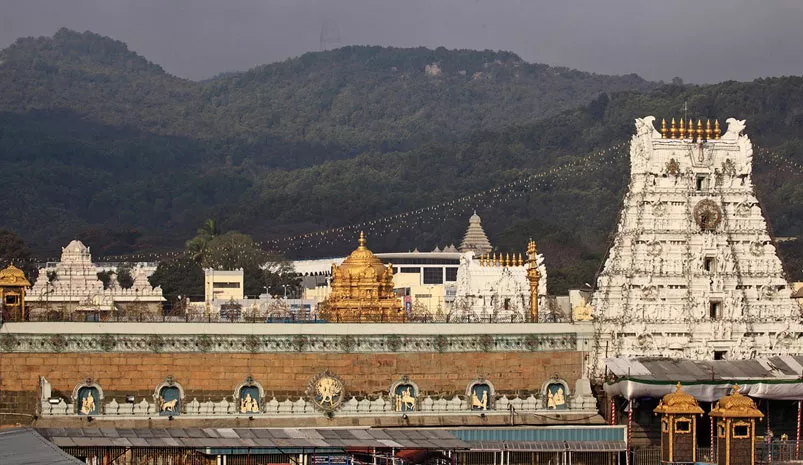
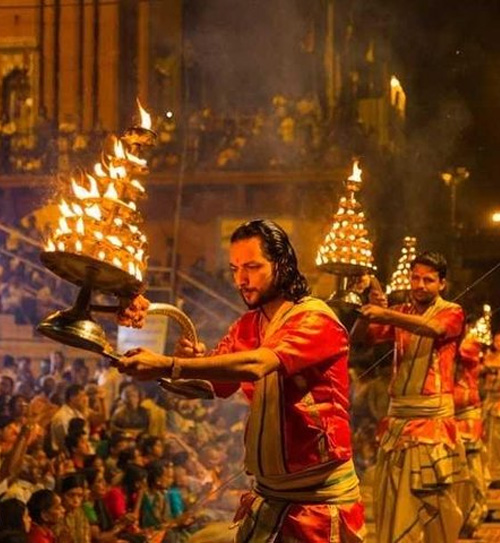
Darshan at Tirupati Balaji Temple on sacred Tirumala Hills, one of the busiest and most revered Vishnu shrines in the world.
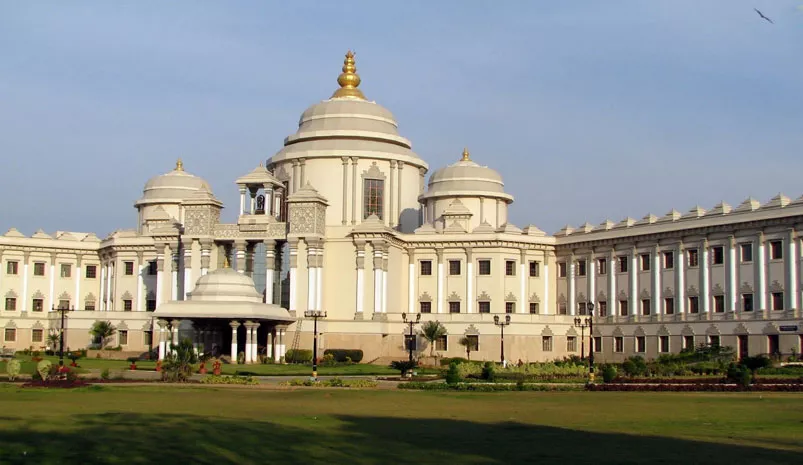
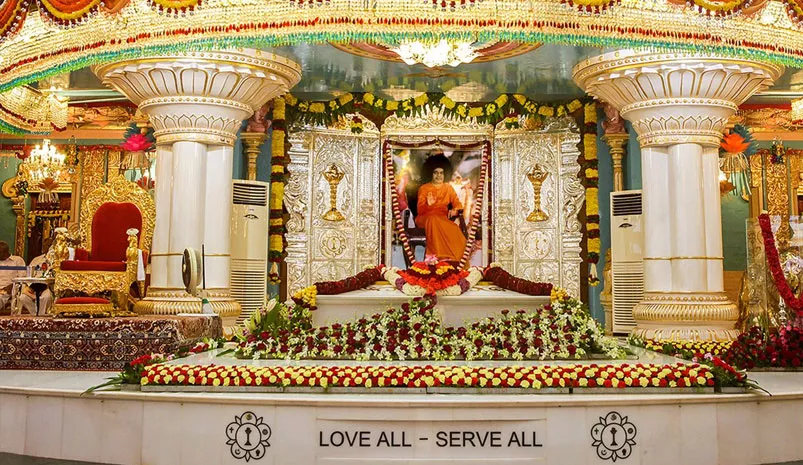
Spiritual immersion at Puttaparthi’s Prasanthi Nilayam ashram, where devotees from around the globe come to meditate and attend bhajans.
Cultural contrast between North India’s royal cities and South India’s temple architecture, beaches, and garden cities.
Smooth transitions between regions using domestic flights and private cars, reducing fatigue and maximizing time at each destination.
Tour Itinerary
Day 1: Arrival in Delhi
Arrive at Delhi airport or railway station, where your representative waits in the arrivals hall holding a placard with your name. Transfer in a private air‑conditioned car to your hotel and complete a smooth check‑in. You can refresh after your journey and adjust to India’s rhythm with a relaxed evening. If you feel energetic, step out to a nearby market or enjoy dinner at the hotel. Overnight in Delhi.
Best Tip: Share your arrival details in advance so your pickup team can track delays and ensure a stress‑free welcome.
Day 2: City Tour of Delhi
After breakfast, you dive into Old Delhi’s history. Visit Raj Ghat, Mahatma Gandhi’s riverside memorial, then drive past the red sandstone walls of the Red Fort and walk through Jama Masjid’s vast courtyard. Explore Chandni Chowk and the spice market on a rickshaw ride, absorbing the fragrance of cardamom, cloves, and street snacks. Later, continue to New Delhi to see Qutub Minar, India Gate, Rashtrapati Bhavan, Laxmi Narayan Temple, Lotus Temple, and the modern Akshardham temple complex. Return to your hotel in the evening. Overnight in Delhi.
Best Tip: Carry a light scarf and wear modest clothing for mosques and temples, and keep a small amount of cash handy for rickshaw rides.
Day 3: Delhi to Jaipur
After breakfast, drive to Jaipur, the fabled Pink City and capital of Rajasthan. You travel along smooth highways, passing villages and fields that show rural life in North India. Upon arrival, check into your hotel and take time to relax or explore the local bazaar on your own. The evening remains free for you to try Rajasthani cuisine or watch a cultural show. Overnight in Jaipur.
Best Tip: Plan an early dinner; Jaipur’s next day sightseeing starts best in the cool morning hours.
Day 4: Jaipur City Tour
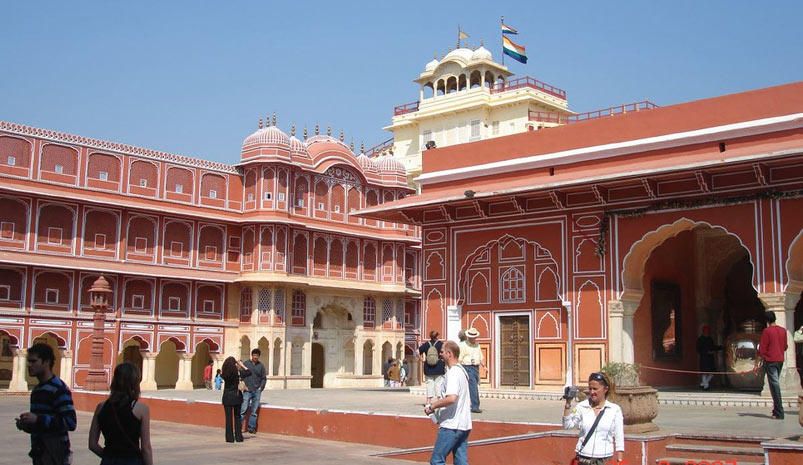
Enjoy breakfast, then head out toward the hills to visit Amber Fort, a 16th‑century Rajput stronghold with ornate gates and mirrored halls. You can ride an elephant or take a jeep up to the fort entrance. Later, drive past the iconic Hawa Mahal, the Palace of Winds with its honeycomb façade. In the afternoon, explore the City Palace and its museum, then walk to Jantar Mantar, the UNESCO‑listed observatory with giant astronomical instruments. Spend the evening at leisure. Overnight in Jaipur.
Best Tip: Keep a hat, sunglasses, and water bottle with you; Jaipur’s sun can be strong, especially on the fort ramparts.
Day 5: Jaipur to Agra via Fatehpur Sikri
After breakfast, drive to Agra, the Mughal city on the banks of the Yamuna. En route, stop at Fatehpur Sikri, Emperor Akbar’s deserted capital built in red sandstone, where you can see Buland Darwaza, Jama Masjid, and the palace complex. Continue to Agra and check into your hotel. The rest of the day remains free for you to relax or stroll local markets. Overnight in Agra.
Best Tip: At Fatehpur Sikri, stay close to your guide to avoid unsolicited local touts offering “mandatory” services.
Day 6: Agra – Taj Mahal & Return to Delhi
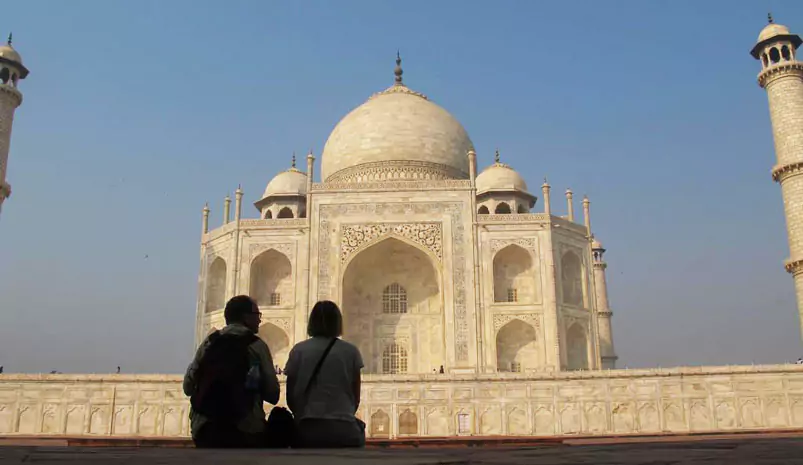
After breakfast, visit Agra Fort, the powerful red‑sandstone fortress where the Mughals ruled and where Shah Jahan once viewed the Taj Mahal from his chambers. Then proceed to the Taj Mahal, the white marble monument of love built by Shah Jahan in memory of Mumtaz Mahal—often considered the crown jewel of India’s architecture. Afterward, you may visit Dayal Bagh, a lesser‑known spiritual garden and memorial. In the evening, drive back to Delhi and check into your hotel. Overnight in Delhi.
Best Tip: If possible, schedule Taj Mahal entry for early morning or late afternoon to avoid harsh midday light and heavier crowds.
Day 7: Delhi to Chennai by Flight
This morning, transfer to Delhi airport for your flight to Chennai, gateway to South India. On arrival, meet your local representative and move to your hotel. The rest of the day is free to rest after the flight or to take a gentle walk on Marina Beach. Overnight in Chennai.
Best Tip: Keep essential pooja items and valuables in your cabin bag; checked bags can sometimes arrive later on domestic flights.
Day 8: Chennai City Tour & Drive to Tirupati
After breakfast, start a short city tour of Chennai, the first major British settlement in India and a stronghold of Tamil culture. Visit Kapaleeshwarar Temple with its colorful gopuram, St. Thomas Church, Fort St. George, and the coastal stretch of Marina Beach. In the afternoon or early evening, drive about four hours to Tirupati, one of India’s most venerated pilgrimage towns, and check into your hotel. Overnight in Tirupati.
Best Tip: Try to have an early lunch in Chennai before driving to Tirupati, as temple towns can get very busy during peak hours.
Day 9: Tirupati Balaji Darshan & Drive to Puttaparthi
Rise early to proceed to Tirumala Hills for darshan at the famous Tirupati Balaji Temple, dedicated to Lord Venkateswara (a form of Vishnu). After completing your darshan and rituals, return to the hotel for breakfast or lunch. Later, begin your drive toward Puttaparthi in Andhra Pradesh, renowned as the spiritual home of Sathya Sai Baba. On arrival, check into your hotel and rest. Overnight in Puttaparthi.
Best Tip: Book special entry darshan tickets in advance, especially on weekends and festival days, to reduce waiting time in the queue.
Day 10: Puttaparthi – Sai Baba Darshan & Transfer to Bangalore
After breakfast, visit Prasanthi Nilayam, the main ashram of Sathya Sai Baba, where you can attend bhajans, meditate, or simply experience the peaceful atmosphere. Explore parts of the ashram complex as permitted, including prayer halls and meditation spaces. Later in the day, drive to Bangalore, Karnataka’s capital, known as the Garden City and India’s IT hub. Check into your hotel and relax for the evening. Overnight in Bangalore.
Best Tip: Maintain a calm and respectful demeanor inside the ashram; follow dress codes and photography rules strictly.
Day 11: Bangalore City Tour
After breakfast, set out to discover Bangalore’s mix of tradition and modernity. Visit the Bull Temple (Dodda Basavana Gudi) with its massive monolithic Nandi, then stroll through Lal Bagh Botanical Garden, famous for its glasshouse and rare plant species. Depending on time, you may also visit Cubbon Park or other city landmarks. Spend the evening walking around commercial districts and shopping for handicrafts, silk, or coffee. Overnight in Bangalore.
Best Tip: Bangalore traffic can get heavy in the evening; plan your sightseeing route with your driver to avoid long peak‑hour jams.
Day 12: Departure from Bangalore
Enjoy breakfast at the hotel, then check out and transfer to Bangalore airport for your onward journey. You leave with blessings from Lord Venkateswara and Sai Baba, along with memories of forts, palaces, and the Taj Mahal from the Golden Triangle. Tour ends with drop‑off at the terminal in good time for your flight.
Best Tip: Reach the airport at least three hours before international flights; Bangalore’s security and check‑in queues can be long during busy seasons
Tour Includes:
- Comfortable Stays: Accommodation for 11 nights in well-rated hotels on twin-sharing basis across Delhi, Jaipur, Agra, Chennai, Tirupati, Puttaparthi, and Bangalore with daily breakfast.
- Private Transport: Air-conditioned private vehicle for all airport/railway station transfers, intercity journeys, and sightseeing as per the detailed itinerary.
- Guided City Tours: Local English-speaking guides for highlighted sightseeing in Delhi, Jaipur, Agra, Chennai, and Bangalore where mentioned in the program.
- Meet & Greet: Assistance at airports and railway stations with personalized meet-and-greet service for smooth check-ins and departures.
- Taxes & Charges: All currently applicable taxes, driver allowances, tolls, parking fees, and fuel surcharges included in the package cost.
Tour Excludes:
- Flights & Insurance: International and domestic airfares, visa fees, travel insurance, and any medical or emergency expenses.
- Temple Charges: Temple special entry tickets, Tirupati sevas, VIP darshan charges, and any additional pooja offerings.
- Meals & Drinks: Lunches, dinners, snacks, and beverages not specified as included in the package.
- Personal Expenses: Tips, laundry, telephone calls, shopping, and other items of a personal nature.
- Extras & Fees: Camera/video charges at monuments and inside select temple complexes, plus any optional tours or activities beyond the listed itinerary.
Choose Your Private Vehicle
Every vehicle in our fleet is air-conditioned, well-maintained and driven by an experienced driver. Choose the vehicle that best suits your group size and travel plans.
Sedan Car Rental with Driver
Seating Capacity: 3 + 1 driver. Sedan car rental with driver is ideal for couples, solo travellers and small families. Enjoy air-conditioned comfort, clean interiors and convenient luggage space for city transfers, sightseeing and private tours.
Toyota Innova Hycross Car Rental with Driver
Seating Capacity: 5 + 1 driver.
Toyota Innova Hycross rental with driver offers spacious seating, air conditioning, luggage space and a comfortable ride. It is a suitable choice for families, airport transfers, business travel and private India tour.
Force Tempo Traveller Rental with Driver
Seating Capacity: 8 to 16 + 1 driver.
Force Tempo Traveller rental with driver is designed for group tours, family holidays and long-distance journeys. Enjoy spacious seating, full AC and luggage space for comfortable group travel.
Force Urbania Luxury Van Rental with Driver
Seating Capacity: 9 to 17 + 1 driver.
Force Urbania rental with driver provides premium comfort for families and groups. It offers modern interiors, full AC, comfortable seats and luggage space for airport transfers, sightseeing and long road trips.
Terms & Policies
Cancellation Policy
- Cancellations made 30 days or more before the tour start date: 10% cancellation charge.
- Cancellations made 15 to 29 days before the tour start date: 25% cancellation charge.
- Cancellations made 3 to 14 days before the tour start date: 50% cancellation charge.
- Cancellations made within 1-2 days of the tour start date: no refund.
Hotel, train and flight cancellation charges, where applicable, will follow the respective supplier’s policy and are separate from the cancellation charges listed above.
Payment Terms
- A 15% to 20% advance payment is required at the time of booking to confirm the tour.
- Payments can be made through bank transfer, credit card, debit card or UPI.
- Prices may change during peak season, festivals or because of currency fluctuations. The final price will be confirmed at the time of booking.
For complete details, please read our full
Terms & Conditions
Golden Triangle Tour with Tirupati & Puttaparthi
Frequently Asked Questions
What is the Golden Triangle Tour with Tirupati and Puttaparthi?
This 12-day India tour combines Delhi, Agra and Jaipur with a spiritual extension to Tirupati and Puttaparthi. It is designed for travellers who want to explore the Golden Triangle’s famous monuments while visiting Tirupati Balaji Temple and the Sai Baba spiritual centre in Puttaparthi.
How many days are included in this Golden Triangle pilgrimage tour?
The itinerary is planned as a 12 days and 11 nights tour. It allows time for sightseeing in Delhi, Agra and Jaipur, along with travel, temple visits and spiritual experiences in Tirupati and Puttaparthi.
Which destinations are covered in the tour?
The tour generally covers Delhi, Agra, Jaipur, Tirupati and Puttaparthi. Flight or train connections and local transfers are arranged according to the final itinerary, travel dates and availability.
Is the Taj Mahal included in the itinerary?
Yes. The Taj Mahal is included during the Agra sightseeing programme and can be planned for an early-morning visit when the itinerary allows. The Taj Mahal is generally closed to regular visitors on Fridays, so the sightseeing schedule may be adjusted if required.
Is Tirupati Balaji Temple darshan included in the tour?
The itinerary can include a visit to Tirupati Balaji Temple. Darshan tickets, special entry slots, dress requirements and temple timings are controlled by the temple authorities and must be arranged or confirmed separately based on availability and the selected darshan category.
What is special about Puttaparthi?
Puttaparthi is widely known as the birthplace of Sri Sathya Sai Baba and is home to Prasanthi Nilayam. Visitors come for its spiritual atmosphere, prayer and devotional programmes, as well as the chance to experience the town’s calm and reflective environment.
What dress code should I follow for Tirupati and Puttaparthi?
Modest and traditional clothing is recommended for temple and spiritual visits. Tirupati Temple has specific dress rules that may vary by darshan type, so check the latest official guidance before travel. Carry clothing that covers shoulders and knees, along with comfortable footwear for walking and waiting areas.
What type of transport is used during the tour?
Golden Triangle sightseeing is usually arranged in a private air-conditioned vehicle with an experienced driver. Domestic flights or train journeys can be used between North India and South India, depending on the final route, flight schedules, seat availability and your travel preference.
What type of accommodation is provided during the tour?
The tour can include comfortable hotels in Delhi, Agra, Jaipur, Tirupati and Puttaparthi. Hotel category, room type, location and meal plan can be selected according to your travel dates, budget, comfort preference and room availability.
What is the best time to take this Golden Triangle and Tirupati tour?
October to March is generally a comfortable period for sightseeing in Delhi, Agra and Jaipur. Tirupati and Puttaparthi can be visited throughout the year, but temple crowd levels may increase around weekends, school holidays, festivals and special religious occasions.
Is this tour suitable for families and senior travellers?
Yes. This tour can suit families, couples, spiritual travellers and senior guests when planned at a comfortable pace. Temple visits may involve queues, walking and stairs, so guests with mobility concerns should share their needs in advance for suitable planning.
Can the Golden Triangle Tour with Tirupati and Puttaparthi be customised?
Yes. The itinerary can be customised according to your travel dates, darshan preference, hotel category, flight or train options, vehicle type, sightseeing interests, number of travellers and budget. Additional spiritual destinations can also be added based on available time.