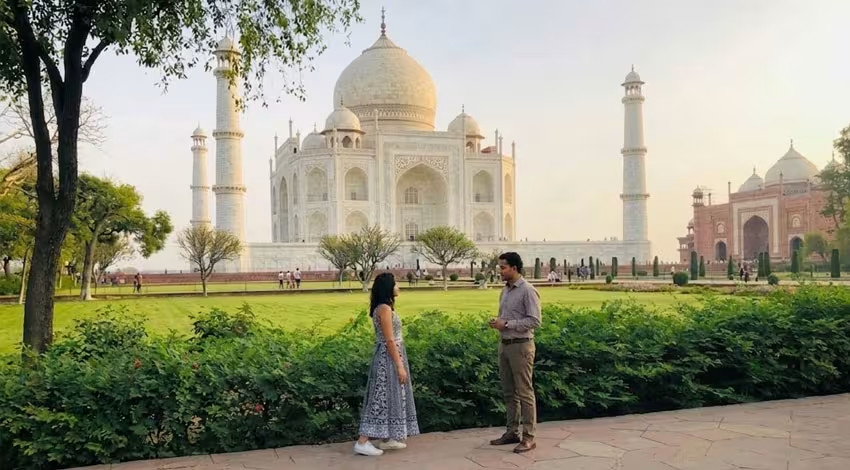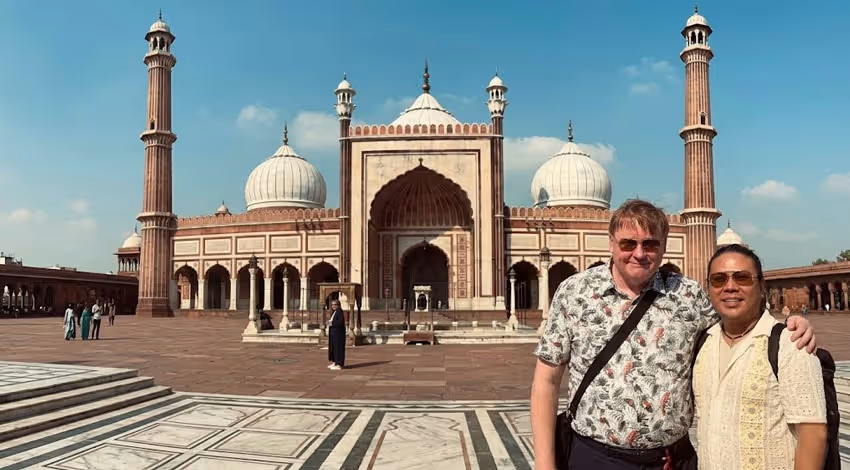
India is one of the most extraordinary countries in the world. Its ancient monuments, rich culture, vibrant cities, and warm hospitality draw millions of international visitors every year. But for LGBTQ travelers, a very common and completely understandable question comes up before booking: Is India safe for LGBTQ travelers?
The honest answer is: yes, with awareness and some cultural sensitivity, India is safe for LGBTQ travelers. It is not the most progressive country in the world when it comes to LGBTQ rights, but it is not hostile either, especially in major tourist cities and popular travel destinations.
Since the landmark 2018 Supreme Court ruling that decriminalized same-sex relationships in India, the country has taken a significant step forward. LGBTQ tourists from around the world visit India every year and have genuinely positive, safe, and enriching experiences. Understanding the legal landscape, cultural context, and practical safety tips is the key to planning a confident and enjoyable trip.
India’s Legal Position on LGBTQ Rights
Section 377 Was Decriminalized in 2018
For a long time, Section 377 of the Indian Penal Code criminalized consensual same-sex relations, a colonial-era law inherited from British rule. This changed dramatically on 6 September 2018, when India’s Supreme Court unanimously struck down Section 377 in a landmark judgment, ruling that consensual same-sex relations between adults are no longer a criminal offense.
This ruling was a historic victory for India’s LGBTQ community and sent a clear message to both Indian society and the international travel community: being gay, lesbian, bisexual, or transgender in India is not a crime.
What Is Still Not Recognized
While same-sex relationships are legal, it is important to know what is still not in place:
- Same-sex marriage is not legally recognized in India
- Adoption rights for same-sex couples are still restricted
- There are no specific anti-discrimination laws protecting LGBTQ people in the workplace or in housing
- Transgender rights are still evolving, though the Transgender Persons (Protection of Rights) Act, 2019, was passed to offer some legal recognition
For tourists, the key takeaway is simple: being LGBTQ in India is not a crime. Foreign visitors face no legal barriers when visiting the country.
Cultural Reality: Conservative Society, Warm Hospitality
The legal situation is clear, but India’s social reality is more complex. India is a deeply diverse country of over 1.4 billion people, and attitudes toward LGBTQ individuals vary enormously depending on location, age group, urban versus rural setting, and individual background.
Urban India Is Increasingly Open
Major cities like Mumbai, Delhi, Bangalore, and Goa have visible and active LGBTQ communities, pride events, queer-friendly spaces, inclusive hotels, and growing social acceptance. These cities attract large numbers of international tourists and have a cosmopolitan attitude that makes LGBTQ visitors feel welcome and comfortable.
In tourist-heavy areas of cities like Delhi and Jaipur, hotel staff, tour operators, and hospitality professionals are accustomed to welcoming international guests of all backgrounds. Tourism is a major industry in India, and the country genuinely welcomes all visitors.
Rural India Is More Conservative
As you move away from major cities and into smaller towns and rural areas, social attitudes tend to be more traditional and conservative. Public displays of affection, even between heterosexual couples, are generally frowned upon in India. This applies even more so for same-sex couples.
The practical advice is not to be invisible but to be aware. Observing local customs and exercising the same discretion you would use as any foreign visitor goes a long way.
The Hospitality Culture Works in Your Favor
One of India’s strongest cultural values is Atithi Devo Bhava, which translates to “the guest is god.” Indian hospitality toward foreign visitors is genuinely warm and respectful, regardless of who you are. Hotels, restaurants, tour guides, and service professionals across major tourist destinations treat their international guests with care and courtesy.
Best LGBTQ Friendly Cities in India
Delhi
India’s capital is one of the most LGBTQ-inclusive cities in the country. Delhi has a visible queer community, regular pride events including the Delhi Queer Pride Parade, LGBTQ-friendly cafes and bars, and a large international tourism industry that is accustomed to welcoming all travelers.
For visitors on the Golden Triangle Tour, Delhi is the starting point, and LGBTQ couples and solo travelers routinely visit the city’s monuments, markets, and neighborhoods without any issues. Staying in well-regarded hotels in South Delhi, Lutyen’s Delhi, or Aerocity provides a comfortable and welcoming base.
Safety rating for LGBTQ travelers: High (in tourist and urban areas)
Jaipur
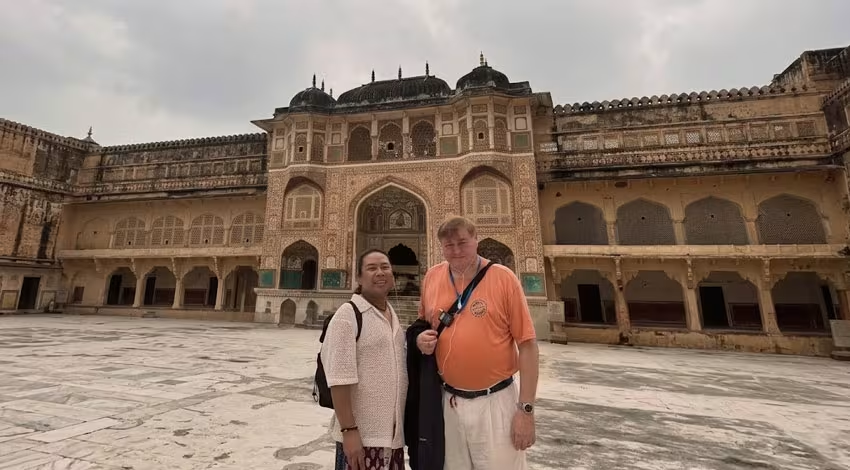
Jaipur is one of India’s most visited tourist cities and has a well-developed, international-facing hospitality industry. The city’s large concentration of luxury hotels, heritage properties, and professional tour operators means that LGBTQ travelers are treated with the same respect and quality of service as any other guest.
Jaipur is ranked among India’s top four cities for LGBTQ travel safety, particularly within hotel environments and tourist circuits. Same-sex couples visiting the Amber Fort, City Palace, Hawa Mahal, and other major attractions do so without issue every day.
Safety rating for LGBTQ travelers: Good (especially in hotels and tourist zones)
Agra
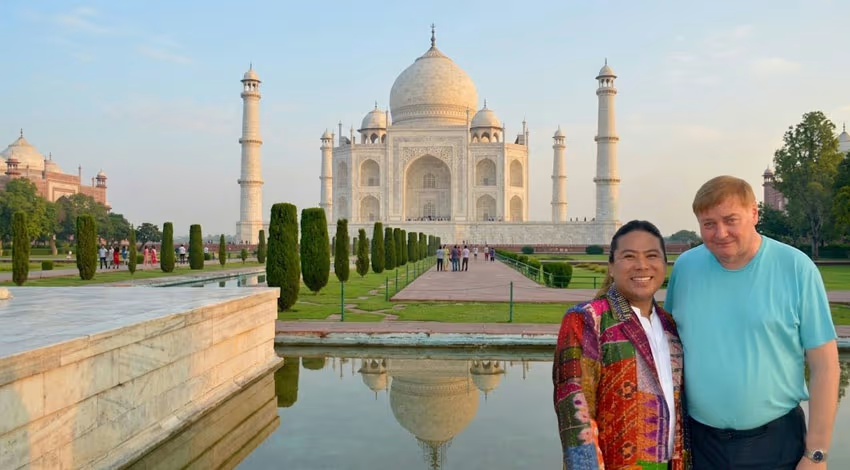
Agra is a tourist-driven city where international visitors are the norm, not the exception. Hotels near the Taj Mahal, including luxury properties, are experienced in hosting guests from every background. LGBTQ travelers visiting the Taj Mahal, Agra Fort, and Fatehpur Sikri have consistently reported safe and respectful experiences.
Safety rating for LGBTQ travelers: Good (in tourist areas and quality hotels)
Mumbai
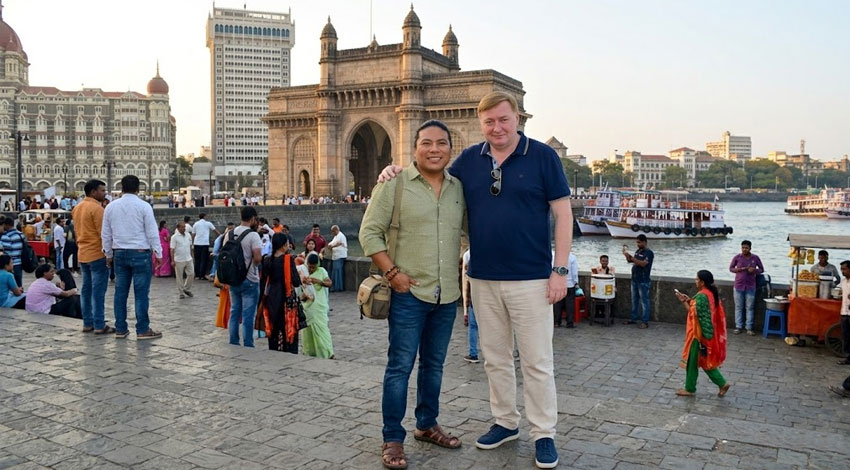
Mumbai consistently ranks as India’s most LGBTQ-friendly city. It has the most established queer community, the highest number of openly gay-friendly venues, and a cosmopolitan culture that is more socially progressive than most other Indian cities. For LGBTQ travelers who want a city with a visible queer scene and greater social openness, Mumbai is the top recommendation.
Goa
Goa’s beach culture, international tourist crowd, and relaxed social atmosphere make it one of the most comfortable destinations for LGBTQ travelers. The state has long attracted visitors from Europe, the Americas, and Australia who bring more liberal social norms, and local attitudes have adapted accordingly.
Bangalore
Bangalore has a large, educated, and internationally connected population and is home to one of India’s most active LGBTQ communities. It ranks high for social tolerance and has a growing number of queer-friendly spaces, events, and hospitality options.
Practical Safety Tips for LGBTQ Travelers in India
- Avoid Public Displays of Affection in Public Spaces
This is the single most important practical tip. India, even in its most progressive cities, is generally conservative about public displays of affection. Holding hands, kissing, or embracing in public can draw unwanted attention not just for same-sex couples but for heterosexual couples too.
Inside your hotel room, private spaces, and LGBTQ-friendly venues you are entirely comfortable. In public monuments, markets, and streets, simply exercise the same discretion that Indian couples themselves typically observe.
- Stay in Quality Hotels
Well-regarded hotels, particularly in the three-star and above category, are accustomed to hosting international guests of all backgrounds. Staff in these properties are professional, discreet, and trained to treat every guest with respect. Luxury and heritage hotels in particular have very high standards of guest privacy and service.
When checking in as a same-sex couple, booking a double room in a reputable hotel is standard practice and widely accepted without issue, especially in major tourist cities.
- Book a Private Tour for Greater Comfort
Traveling on a private Golden Triangle Tour with a dedicated vehicle and personal guide gives you significantly more flexibility, privacy, and comfort than joining a group tour. You control your own schedule, do not share space with strangers, and have a professional guide who is there to support your experience throughout.
Private tours are ideal for LGBTQ travelers who want to explore India’s incredible heritage at their own pace without navigating group dynamics.
- Choose LGBTQ-Friendly Tour Operators
A growing number of tour operators in India specifically cater to LGBTQ travelers and have experience creating welcoming, inclusive, and safe travel experiences. These companies understand the specific needs and concerns of queer travelers and choose hotels, guides, and itineraries accordingly.
When booking your trip, ask your tour operator directly about their experience with LGBTQ travelers. A good, professional tour company will handle this conversation with complete comfort and respect.
- Carry Your Travel Documents
All visitors to India, regardless of background, should carry their passport and a copy of their visa at all times. For LGBTQ travelers, there is no additional documentation required. India does not ask about sexual orientation at immigration or elsewhere.
- Research Venues Before You Go
If you plan to visit LGBTQ-friendly bars, cafes, or cultural events during your trip, do a bit of research before you travel. Cities like Mumbai, Delhi, and Bangalore have specific venues that are known to be welcoming and inclusive. Local LGBTQ community groups and travel blogs often maintain updated lists of safe and friendly spaces.
- Trust Your Instincts
India is an incredibly warm and hospitable country. Most people you encounter, from hotel staff to shopkeepers to auto-rickshaw drivers, are friendly and focused on their work, not on judging their customers. However, as with any travel destination in the world, trust your instincts. If a situation feels uncomfortable, move on.
India’s Growing LGBTQ Travel Industry
India’s travel and tourism industry has been paying attention to the global growth of LGBTQ tourism. According to the 2024 Gay Travel Index, India is now ranked 44th out of 213 countries for LGBTQ travel safety, a remarkable improvement from its previous ranking of 82nd in 2021.
More hotels, tour companies, and travel agencies are specifically marketing to LGBTQ travelers, training their staff in inclusivity, and creating tailored tour experiences. This shift reflects both the growing size of the LGBTQ travel market globally and India’s increasing awareness that welcoming all visitors is good for tourism.
Several luxury hotel groups operating in India now prominently affirm their commitment to welcoming LGBTQ guests, and dedicated LGBTQ tour operators like Pink Vibgyor and Pink Escapes offer curated India experiences.
The Golden Triangle for LGBTQ Travelers
If you are planning an India trip as an LGBTQ traveler and are considering the India Golden Triangle Tour covering Delhi, Agra, and Jaipur, here is what you can expect:
What Works in Your Favor
- All three cities are major international tourist destinations with large numbers of foreign visitors every day
- Quality hotels in all three cities are fully professional and welcoming to all guests
- The main monuments, the Taj Mahal, Agra Fort, Red Fort, Amber Fort, and City Palace, are public tourist sites open to everyone without restriction
- Private tour operators on this circuit are experienced with international travelers of all backgrounds
- The tourism-driven economy of these cities creates an environment of hospitality and service
Practical Considerations
- Exercise discretion with public displays of affection, especially in crowded markets and at religious sites like mosques and temples
- Choose a quality hotel in a good location rather than the cheapest option available
- Booking a private tour rather than a group package gives you more privacy and flexibility
- Inform your tour operator of any specific needs or preferences so they can plan accordingly
The Golden Triangle is visited by LGBTQ travelers from Europe, North America, Australia, and across the world every single year. The experience is positive, the hospitality is genuine, and the historical and cultural richness of Delhi, Agra, and Jaipur is available to all.
Frequently Asked Questions LGBTQ Travelers Ask About India
Is being gay illegal in India?
No. Since 2018, same-sex relationships between consenting adults are fully legal in India. Section 377 of the Indian Penal Code was decriminalized by the Supreme Court.
Can a same-sex couple share a hotel room in India?
Yes. Hotels in India, particularly quality and luxury properties, will accommodate same-sex couples without issue. Major hotel chains and heritage properties are experienced in hosting international LGBTQ guests.
Is India LGBTQ friendly compared to other countries?
India is not the most progressive destination in the world for LGBTQ rights, but it is safe and increasingly welcoming for travelers. It ranks 44th globally for LGBTQ travel safety as of 2024, above many countries in Asia, Africa, and the Middle East.
Are there Pride events in India?
Yes. Pride parades and LGBTQ events take place in several Indian cities, with Mumbai, Delhi, and Bangalore hosting the largest annual events. Mumbai Pride and Delhi Queer Pride are well-established and attended by thousands of participants.
Is it safe to be openly gay in India?
In major tourist cities and urban environments, being visibly gay as a foreign visitor rarely causes problems. Exercising modest public behavior, as you would in most of Asia, keeps your experience smooth and comfortable. In rural or very conservative areas, greater discretion is recommended.
Final Thoughts
India is a country of extraordinary depth and beauty. Its history, architecture, food, culture, and the warmth of its people create a travel experience unlike anywhere else in the world. For LGBTQ travelers, the picture is one of growing openness, genuine hospitality, and a safe and manageable travel environment, particularly in the cities and tourist regions that draw international visitors.
Is India perfect in terms of LGBTQ rights? Not yet. But has it come a long way, and is it safe and welcoming for queer travelers who approach it with cultural awareness and common sense? Absolutely.
The Golden Triangle cities of Delhi, Agra, and Jaipur welcome LGBTQ visitors every day. The Taj Mahal does not check your identity before filling you with wonder. The Amber Fort’s Sheesh Mahal reflects light just as beautifully for every person who steps inside it. And India’s hospitality, at its core, has always been for everyone.
Plan your trip, travel with confidence, and let India surprise you.